Our Land is Sacred
“My sister, our land has a throbbing heart,
It doesn’t cease to beat, and it endures
the unendurable. It keeps the secrets
of hills and wombs. This land sprouting
with spikes and palms is also the land
that gives birth to a freedom-fighter.
This land, my sister is a woman.”
Fadwa Tuqan
I come from a land that has sacrificed and continues to sacrifice everything for freedom and dignity.
I was only 5 years old when our beloved South was liberated from Israeli occupation. I am from a generation who grew up in Lebanon post-liberation. We are the generation that was raised on stories of occupation and resistance, the generation that got to taste the fruits of the liberation of our homeland, owing it all to our people who alone defeated an empire. Ever since I could comprehend, I never took for granted the sacrifice that led to this liberation. And yet, I never fully comprehended the pain that our parents and their parents endured and the loss they experienced. It seems so surreal now that my generation is once again experiencing the same trauma of our parents. It makes me wonder how long these traumas will be inherited and how much our descendants will carry.
For over a month, I have been trying but unable to articulate my feelings. Words fail me. What can one say in the face of this loss and destruction?
I want to write about our pain, our trauma, about displacement, about fear. But also, about hope, about resistance, about sacrifice. I want to write about our land, about our beautiful people.
The Olives are our Plantcestors; We are the Land
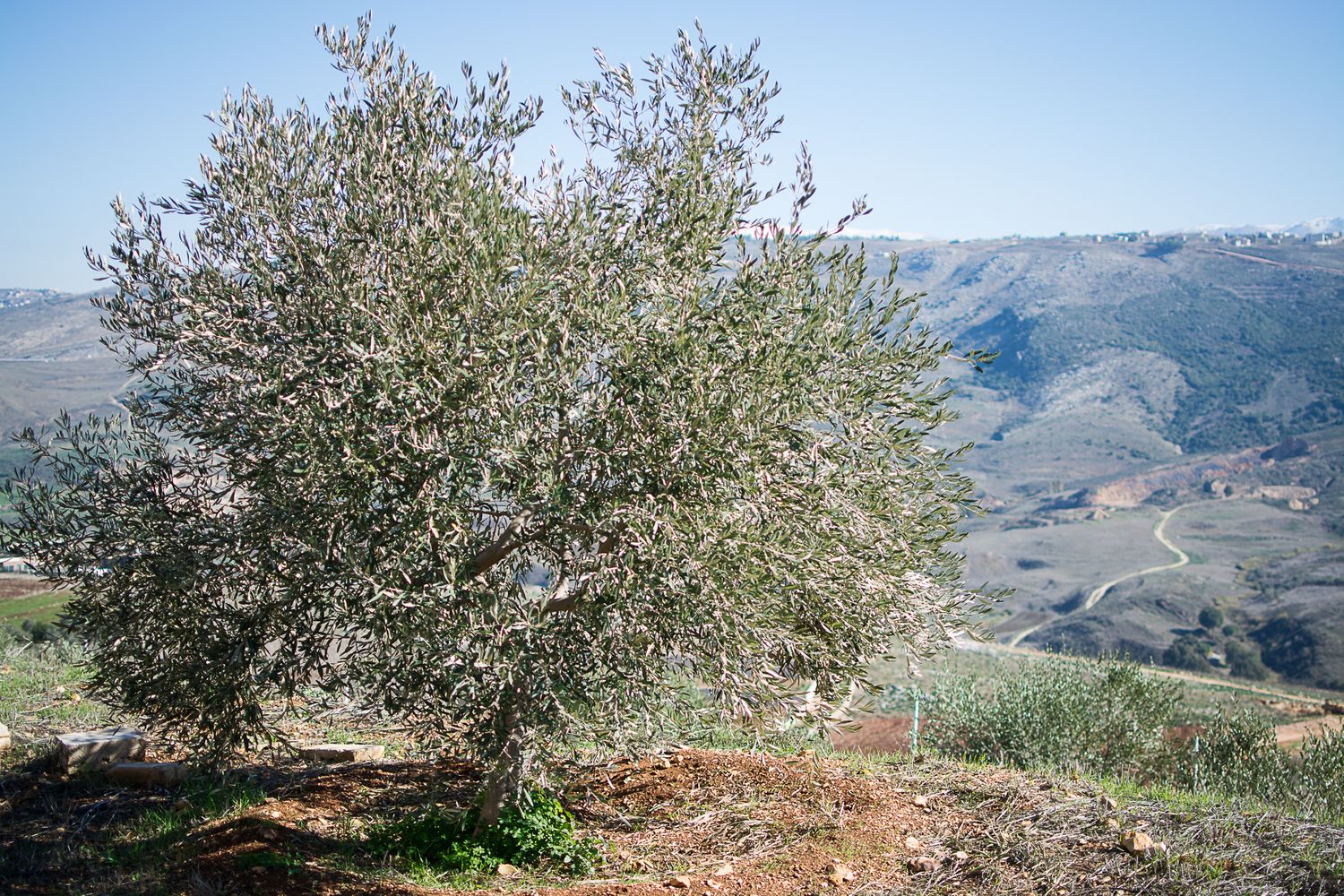
October is supposed to be our olive harvest month. It is a time of celebration, of community, of coming together, of baraka—blessing. For years, I have been unable to be in Lebanon for the olive harvest season because of school and work obligations. For the first time in many years, I have the time and freedom to be there. My plan for October was to be in the South, harvesting olives and making olive oil with my family. And yet, I am writing this as my country burns and as I watch my people being brutally killed every day. My heart is utterly broken.
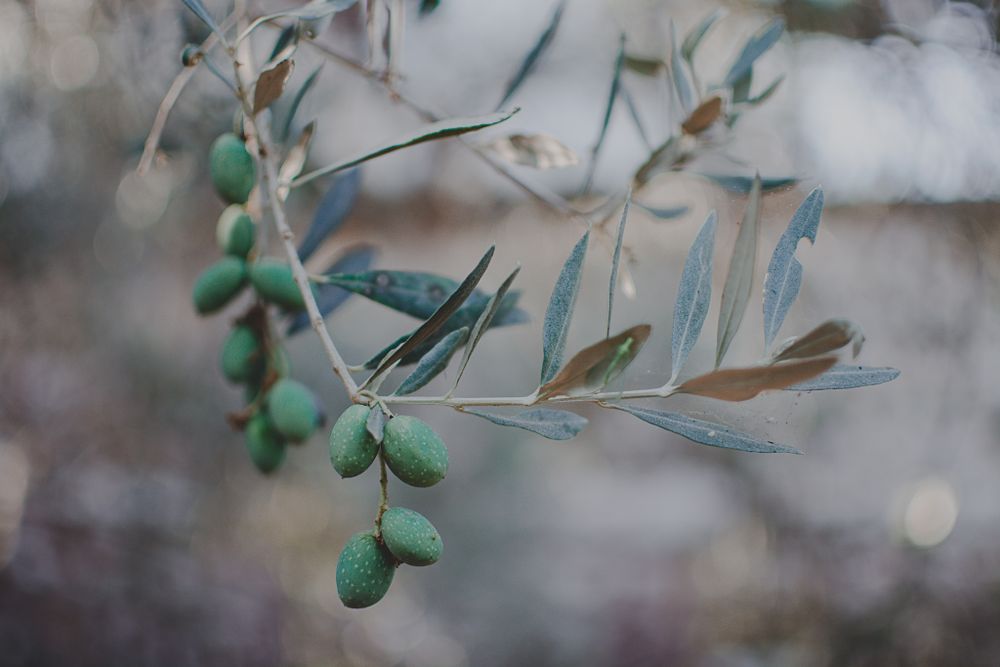
A year ago, when the genocidal occupying entity burnt down 40,000 olive trees in South Lebanon with white phosphorous, I felt the loss so deeply, as if I had lost close family members. The olive trees are our plantcestors; they are part of us, and we are part of them. We are inseparable. As we lose another olive harvest season this year and mourn the loss of land that is being poisoned, I recall the words I wrote last year:
“I come from a land that borders Palestine and the Syrian Golan Heights, a land that was freed 23 years ago from a brutal occupation. Without their European-made borders, I would be able to take a walk from Lebanon to Palestine to Syria and be back home in time for dinner. God has blessed this land with abundance and beauty.
When we talk about our deep love for our land, we mean that the land is our mother. The motherland is the womb where we come from. And I do not mean that metaphorically. As beautiful and poetic as it sounds, we are literally made of the soil of this land. Our bodies are made of the earth. We grow up drinking its fresh water, breathing its air. We are nourished by the land. And when we die, our bodies return to the earth. The land remembers.
The land holds the spirits of our ancestors, their memories, their joys, their sorrows, their histories. We are made of the land that embraces us, that carries us and nourishes us. The land is catching all the blood and tears of these tragic times. The land remembers.
Colonizers, white European settlers, who only see the land as a site of investment and a commodity to extract wealth, will never understand this connection, how deeply rooted we are in the land.
We are indigenous to the land. We understand that the land nourishes us, and we nourish the land. We are part of nature and nature is a part of us. We nourish the land and cultivate it; this is a labor of love. The land responds with abundance.
When the occupying forces burn down our sacred olive trees with their internationally banned weapons, they are not burning inanimate objects. These olive trees are alive, and they remember. When they burn down our olive trees, they are burning down our history, our memory; they are destroying the future of the land, and they are creating an environmental disaster (and then you hear them preach about sustainability and climate change) and another traumatic event that will be carried in the soil. And when the land is in pain, we are in pain. We feel her sorrow deep in the core of our being.
We mourn our 40,000 olive trees as we mourn our dead.
Can you see what the homeland means to us?
When people refuse to leave their homeland, when they are willing to sacrifice themselves and their entire families, it is this deep love for the land that keeps them holding on. It is not only the memory of their ancestors that they are holding onto, but a promise to their descendants. Because the land remembers. The land never forgets.
We have not only inherited our ancestors’ intergenerational trauma. We have also inherited their joys and victories. We will heal our traumas so that our descendants inherit this healing. The land will remember us. Nothing ever dies. We shall return to the land. The land is alive.”
These words resonate more than ever today. As I witness this unimaginable destruction to our land, my heart shatters. I wonder how many generations it will take for the earth to recover from this poison. I wonder how long we will need to heal with the earth, how long our food and our air and our soil will bear the trauma of these tragic days. The land teaches us how to grieve and to love and to hold space for each other. But the land is wounded, and when she is wounded, we are too.
There are no Southern olives this year, nor oil, nor Southern mouneh. The occupying entity not only seeks to cause as much suffering and damage as possible, they seek to sever our connection to the land. With the beginning of the harvest season, they issued a warning banning our people from returning to our lands for the olive harvest. The colonizers know how deep our connection to the land is, and this is part of the psychological war they are waging.
My family, like many Southern Lebanese families, relies on the olive harvest. It is our source of livelihood. My grandfather planted hundreds of olive trees that are now nearly a hundred years old, and some of the trees in my family's land are 2000-5000 years old. This is what the genocidal entity is destroying. The trees carry our memory, our history. They are our heritage. They are where we come from. Our roots, like the trees, go deep into this land. No matter how brutal and how violent they get, this land is our land. We are from the land, and to her we shall return.
My South
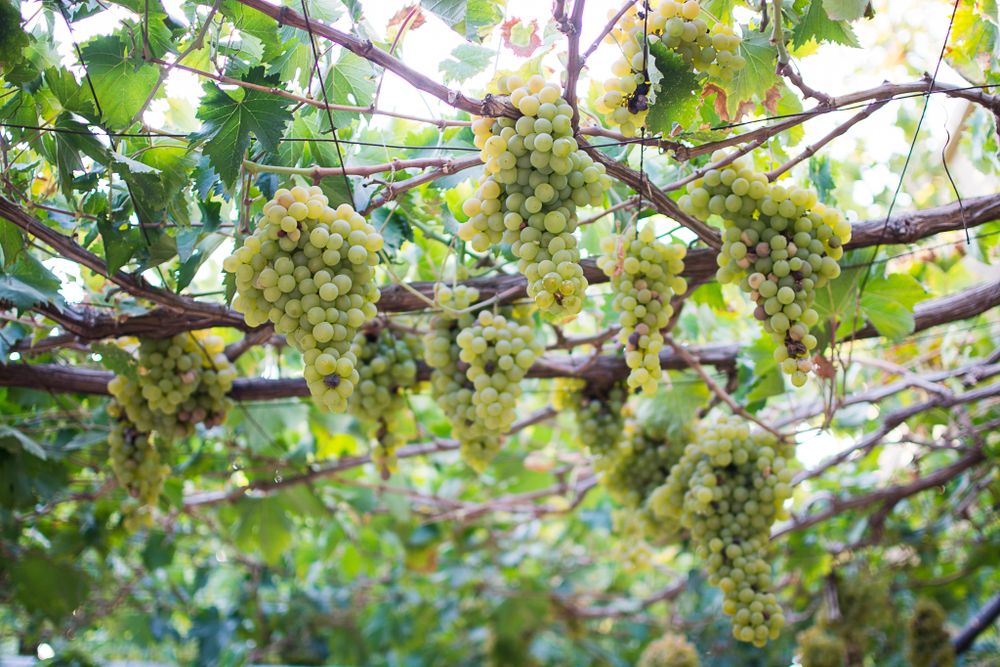
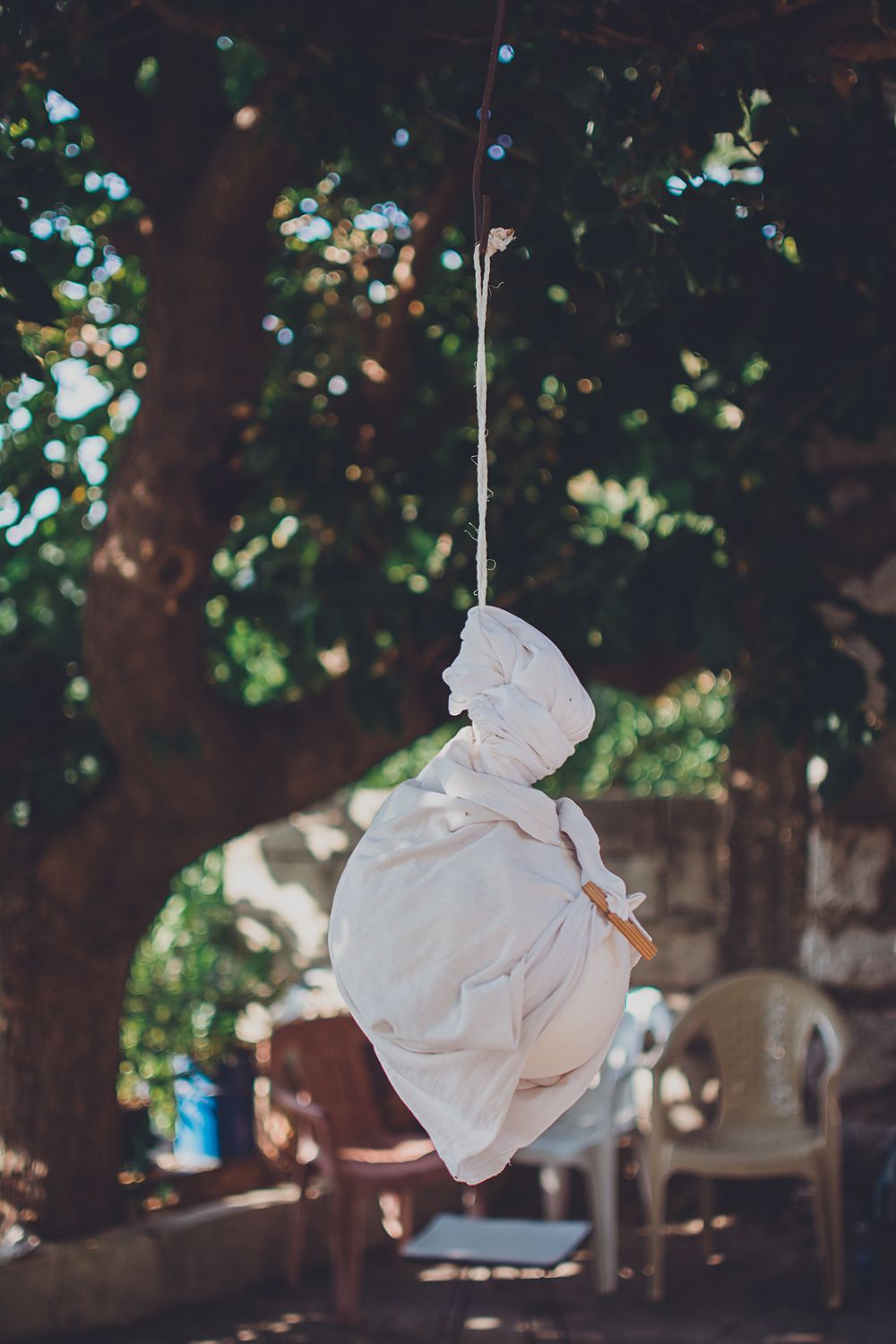
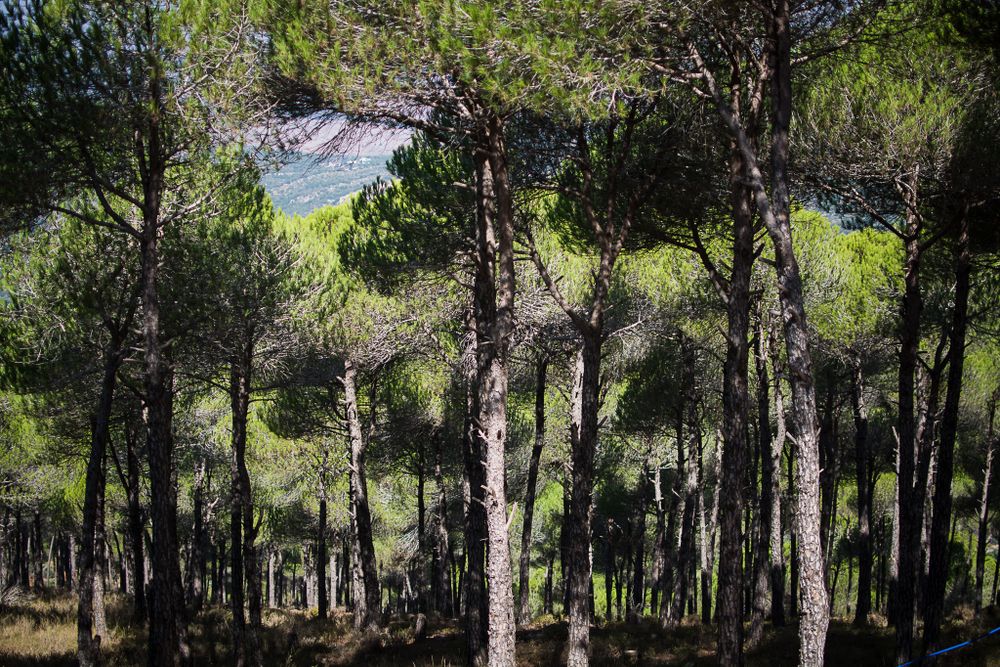
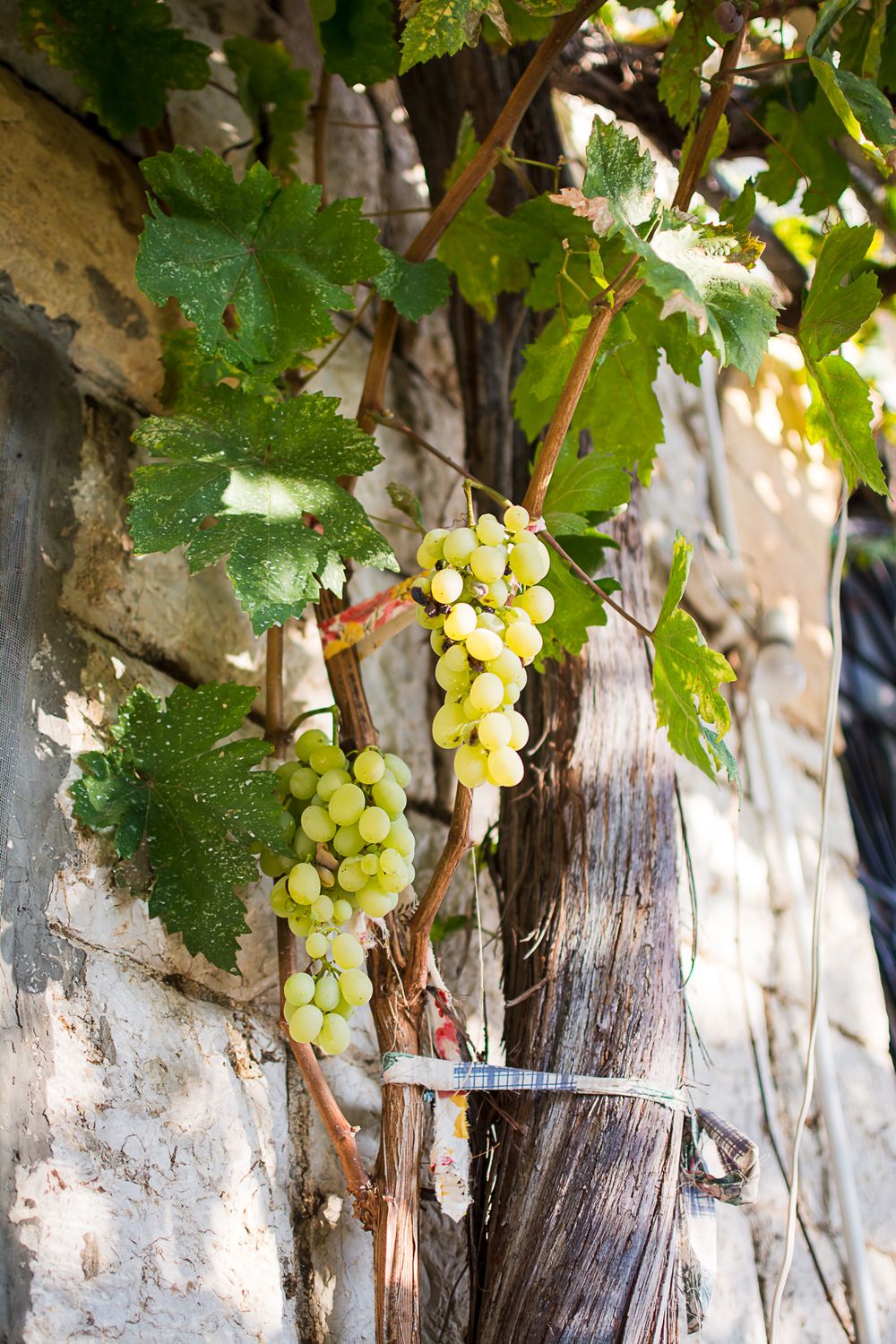
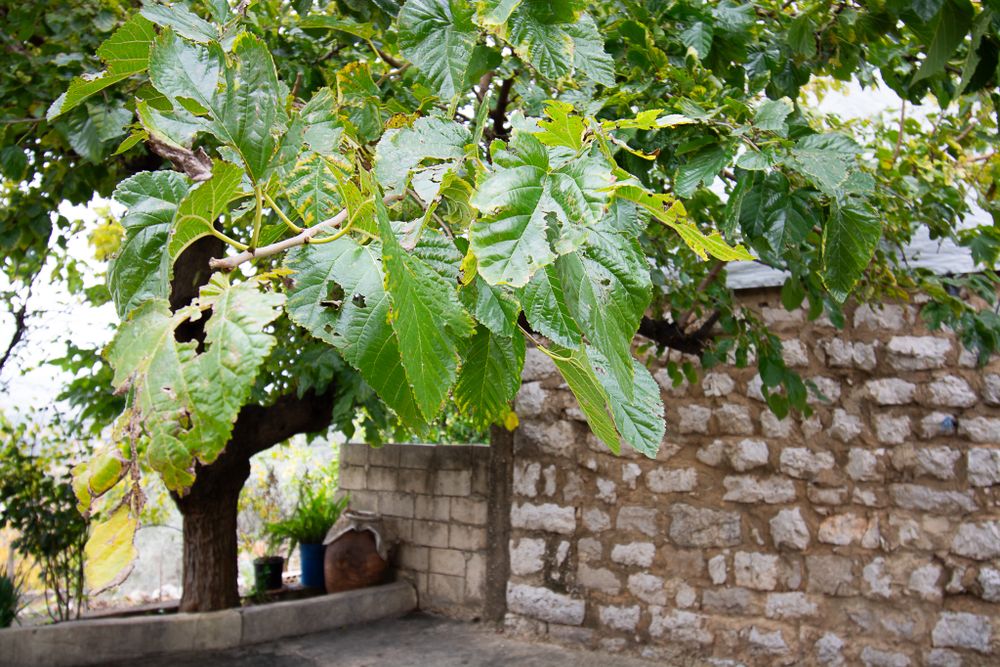
A Year of Grief; A Year of Growth
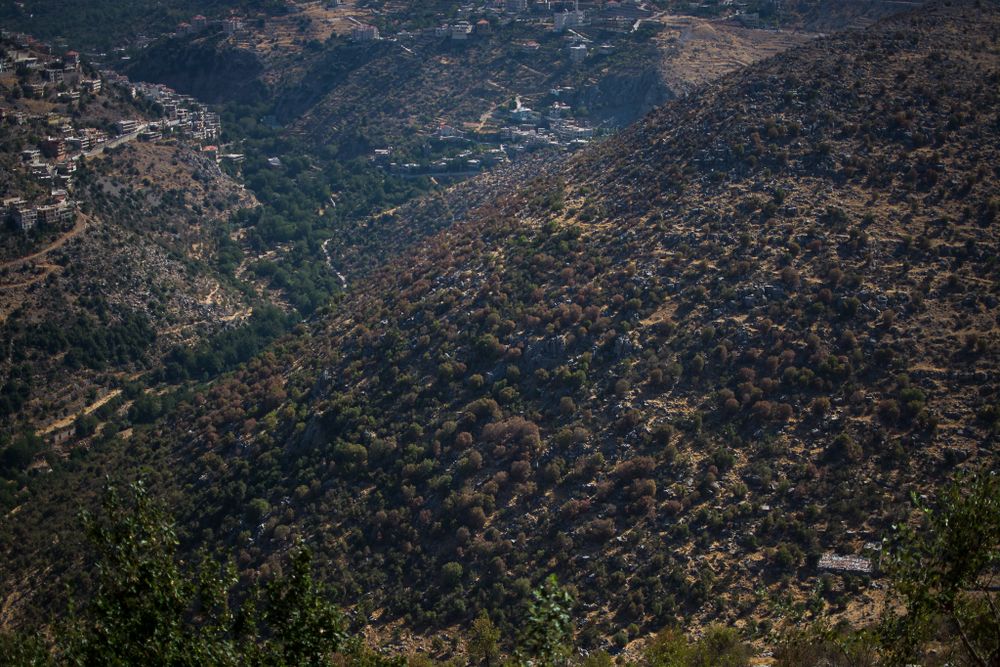
It is almost surreal to see that everything the genocidal entity has been doing for a year now in Gaza, they are doing all over Lebanon as well. I feel myself experiencing denial and rage and grief—for my family and for my people, for the land, for the plants, for the trees, for the animals. I bear witness to unbearable loss: of life, of my people’s livelihood, of my people’s homes and sense of security.
On the anniversary of October 7th, I saw many of my fellow Arabs on social media share Lina Mounzer’s words, “Ask any Arab what the most painful realization of the last year has been and it is this: that we have discovered the extent of our dehumanization to such a degree that it’s impossible to function in the world in the same way.” And while I deeply empathize with this pain, for me, this year has taught me to make peace with the fact that our lives are valued less than others’ in the racist empire’s hierarchy. This injustice used to fill me with rage. I would read a New York Times’ headline describing our violent murder as a “loss of life” and the anger would eat me up. I would want to write in English for people who couldn’t care less if we lived or died because I thought, “if only they could see how unjust this is” or “if only I could humanize us for them” or “if only I could present them with a different version than mainstream media…” I went through phases of anger at the double standards of the Western world, the so-called civilized world. I went through phases of disbelief, of disillusionment at the realization that I could potentially be just a number.
I am no longer interested in appealing to systems that are built by dehumanizing me and my people. The truth is, we do not need validation from the empire. Our lives are valuable because they are valuable, because God created us in His image. Because we hold each other and protect each other and defend each other. Our lives matter not when the colonizer sees us, not when the white man decides they do. It is enough that we see one another. Our communities are built on love. And if there is one thing I’ve learned this year, it is that we are self-sufficient, that we are enough, that our strength comes from our community and our resistance and our ancient practices. And we need to build our own systems, a world built on love because love is the only antidote to the colonial world. We must envision a different world. Because we are the ancestors of tomorrow, and what we choose to do today will reverberate for generations to come. This past year has reinforced that decolonization is not abstract; it is material and violent. And still, it is rooted in love. Our resistance is love. We are freeing ourselves of the illusion that Western-centric institutions are going to save us. We will never find liberation in the colonial system.
Decolonizing means returning to our roots, to the practices and traditions of our ancestors. Decolonization means understanding that we come from the same water that tides with the moon, that we are nourished by the same land our bodies are made of. It is a return to the earth, to the land. Decolonization is our only path to healing. It is the only path to life.
It is these realizations that have allowed me to transform my anger to peace. And perhaps this is my great awakening.
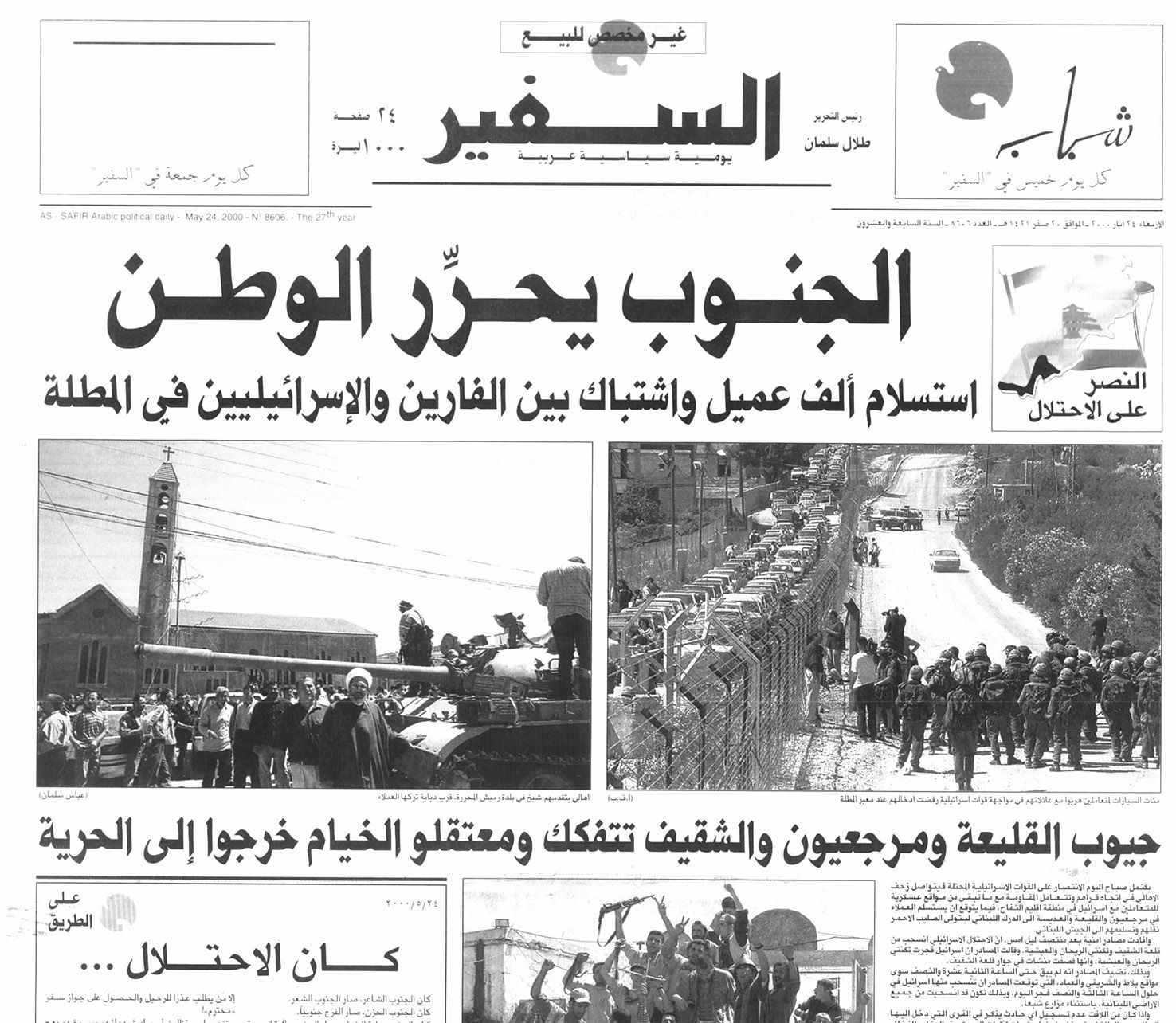
"The South Liberates the Homeland"
May 25th, 2000
We are living through dark times. But I refuse to believe darkness is evil. Darkness is where a seed sprouts and grows into a tree. Darkness is where life begins in the womb. Darkness is what nourishes growth. On the path to freedom, we must go through the darkness.
The empire is collapsing; the most powerful empire in the world is reaching the end of its lifetime. And I am thankful I get to live to witness this great shift. As Hala Alyan has said, “bearing witness is an honor.”
A foreign imperial army without roots in our land will be defeated; it will never thrive on stolen land. Despite the images of destruction and death, I am certain that this land is ours, and our return is inevitable. This headline will forever be the greatest honor. And the greatest reminder; our return is indeed inevitable.
Our land bears witness. The land bears witness to every drop of blood shed by a martyr on the path of love for the homeland. Our land bears witness to the truth. Our land remembers.