This post is dedicated to all those who gave their lives so that we could live, so that we could return. I am filled with eternal gratitude for their sacrifices.
Those who returned us home, never returned. .الذين اعادونا الى الديار لم يعودوا
The Wisdom of the Pomegranate
In the Greek myth, the descent of Persephone to the underworld brings about the coming of Autumn. In the underworld, she eats six pomegranate seeds symbolizing six months of the year she would spend in that realm. For six months, she would live in the shadowlands, and this darkness is an invitation to journey within in the colder seasons and face the inner darkness before the resurrection in Spring.
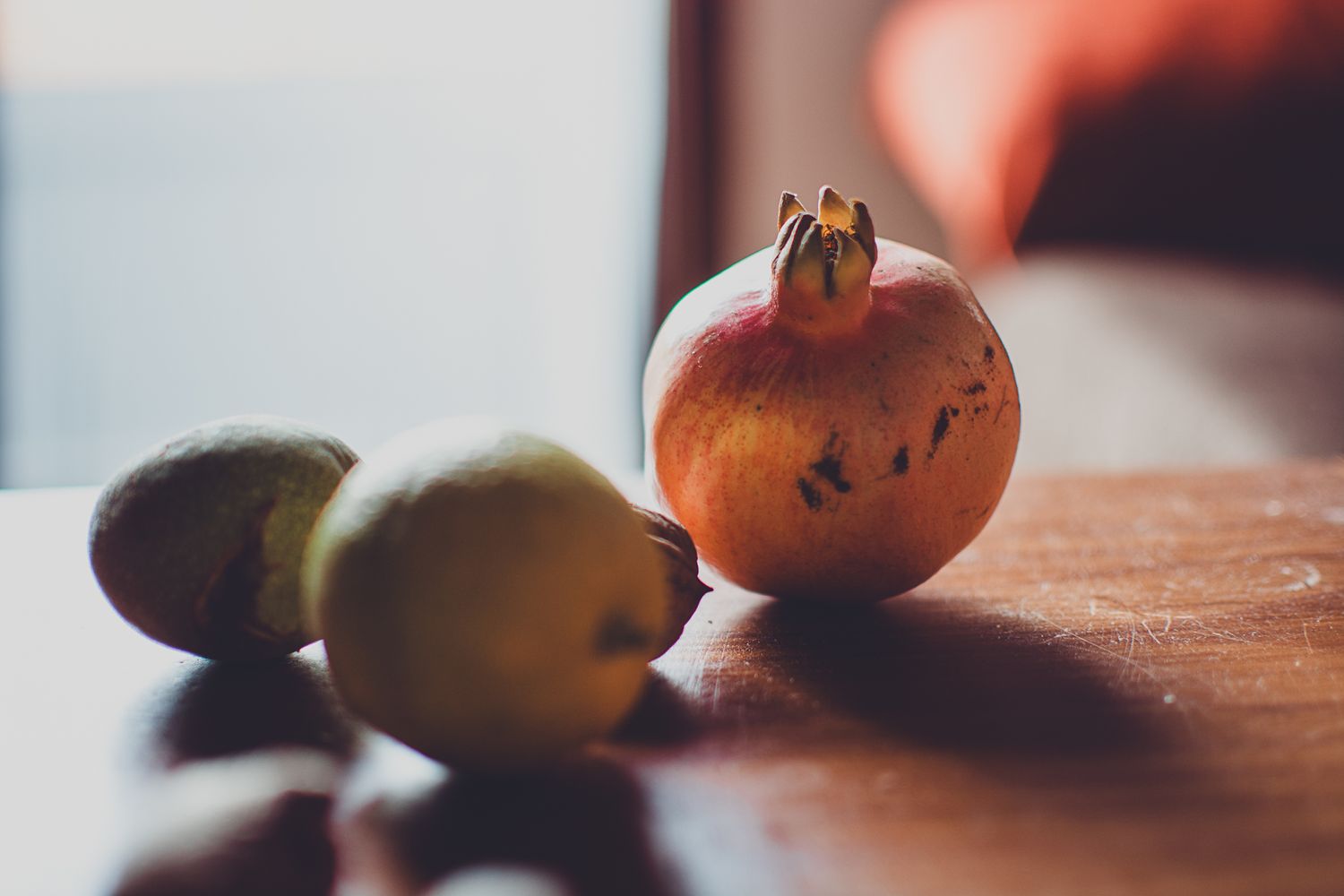
"Pomegranates teach us presence."
Pomegranate is my favorite fruit; this sacred fruit is a gift from nature in the Fall and Winter seasons. It is an invitation to live in harmony with the rhythms of nature, to slow down and be present as we uncover its magic and medicine. Pomegranates teach us presence; they teach us to be there, slowly unravelling the sacred geometrical miracle within. The pomegranate is a portal between two worlds in the story of Persephone as she journeys between the realms. During pomegranate season, in Arab countries where pomegranates are native to the land, you will find pomegranate juice vendors all over the streets, adding beauty and life to the streets. The war in Lebanon began during pomegranate season; I was in the mountains of Southern Spain, taking in the beauty of the trees bearing this divine fruit. It was such a strange experience, feeling like I was living in a parallel universe, where the war was a reality at home. And later I would discover that my dad’s pomegranate orchard in our Southern Lebanese village was burnt down by the occupying entity.
"There’s a reason my soul chose to incarnate on this land."
In December after the war ended, as I was walking through the streets of Beirut with my childhood best friend, I saw a juice vendor and couldn’t resist having pomegranate juice. In conversation, the owner told us he had just recently opened this branch in the middle of the war and that he had lost his other shop in Dahye, only a few days before the ceasefire. My friend shared that she, too, had lost her home days before the ceasefire. “Allah be3awwed,” they both comforted each other. In a mundane conversation, they both shared a great loss, carried the grief together, expressed gratitude for what they still had, laughed together, and then we walked away. This kind of encounter will be repeated countless times. “Ana rah bayte” (I lost my home); “Lhamdella l bet ma rah bs tkassar” (Thank God, we still have our home, but it’s broken); and so on and so on.
I listened to stories of loved ones’ unimaginable pain and loss; pain I know they couldn’t carry on their own and needed to share. I knew my role in these moments was to hold space for their pain. In reflecting on these encounters, I understood something so profound, something I had always known but perhaps not fully comprehended: we heal in community. Western therapy and healing paradigms have so focused on our individual experiences that we have forgotten the only way our ancestors have survived is by leaning onto each other. Being in Lebanon during this time was a healing experience in itself. I was surrounded by loved ones suffering from all kinds of trauma. And still, we managed to heal each other because we needed this sense of togetherness. It’s like when you read a book or a poem written hundreds of years ago and you discover that you’re not the only one who has ever felt or experienced something; there’s something so comforting in knowing we’re not alone.
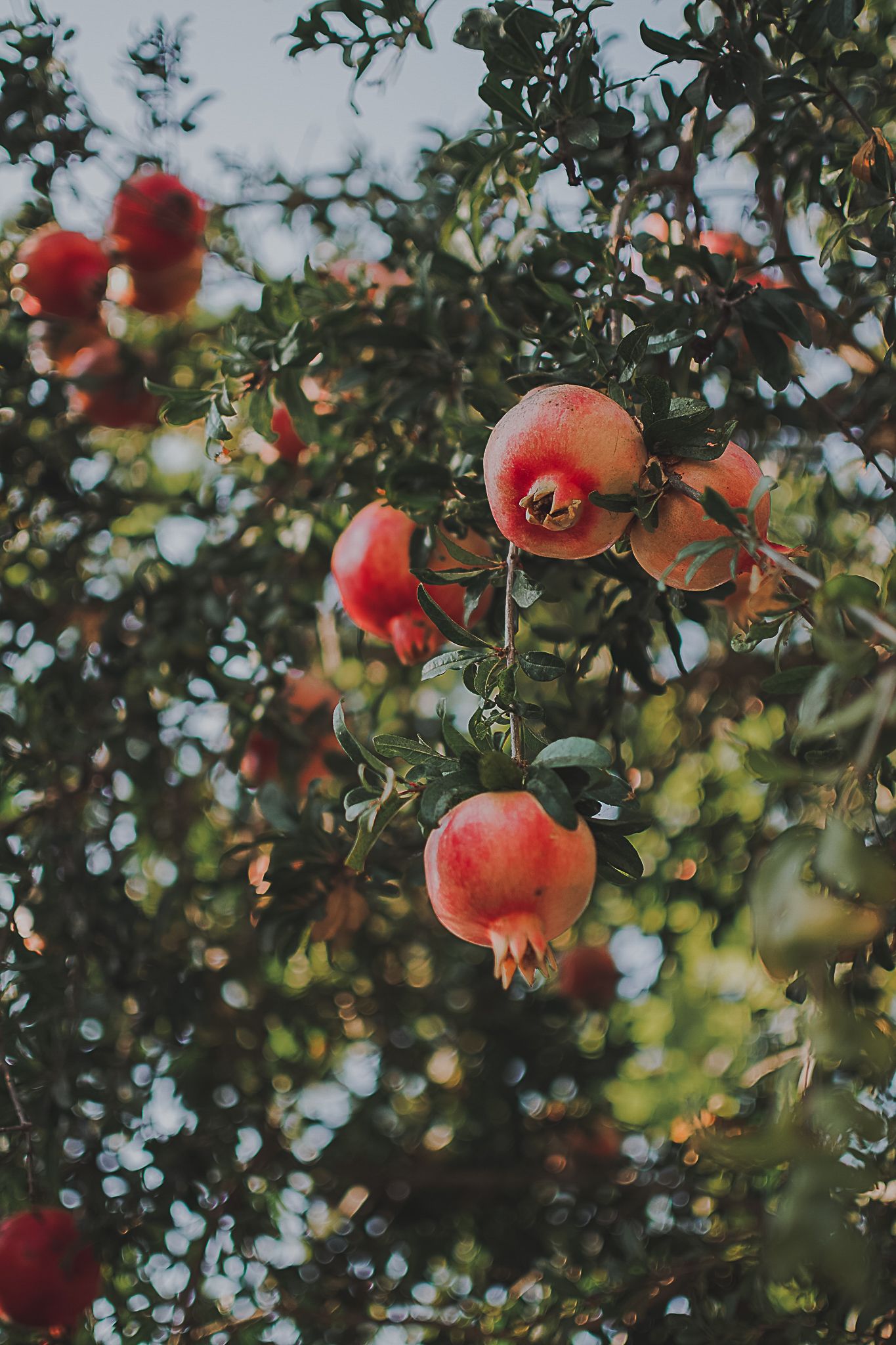
"In reflecting on these encounters, I understood something so profound, something I had always known but perhaps not fully comprehended: we heal in community."
During this trip, I also connected with family members and old friends I hadn’t talked to in years. I spoke with my aunts about their war trauma, about being displaced. Back in September, when I was checking on my aunt, who was displaced from the South, I could hear the pain in her voice over the phone, telling me we are now “mhajjareen.” Refugees. Mhajjareen. I kept hearing that word. And it was the most painful word. It weighed very heavily on me. My soul could not bear it. The war triggered my fear of displacement, this intergenerational trauma. I felt it in my bones. I knew then that I needed to do the inner work, to heal this pattern that has repeated itself for generations. In Lebanon, I also spoke with my 93-year-old grandmother who has been displaced since October 2023 and has not yet been able to return to our village in the South. She told me of all the wars she had lived, of all the times she had been displaced. I had the profound realization that I come from a lineage that, at least for the last century, has dealt with displacement, and I carry an intergenerational yearning for stability, safety, and comfort. I needed these encounters to remember the pathway to healing is in confronting and acknowledging the root cause.
The Rhythms of Nature
Being in the presence of the land and the sea was also healing. Whenever I speak about my connection to this land and say that we are the land, I always emphasize that it’s not a metaphor. I am part of this earth where my grandparents and their parents and their parents are buried. I am part of the pomegranates and the olives and the figs and the walnuts and the cherries and the mulberries. I am also part of the rivers and the streams and the sea. I am made of the mountains and the valleys. My body is made of the very earth of this land, and to her I shall return. There’s a reason my soul chose to incarnate on this land. And despite everything, my soul yearns for this place. There’s something deep in the core of my being that understands how sacred this land is, how blessed her soil is.
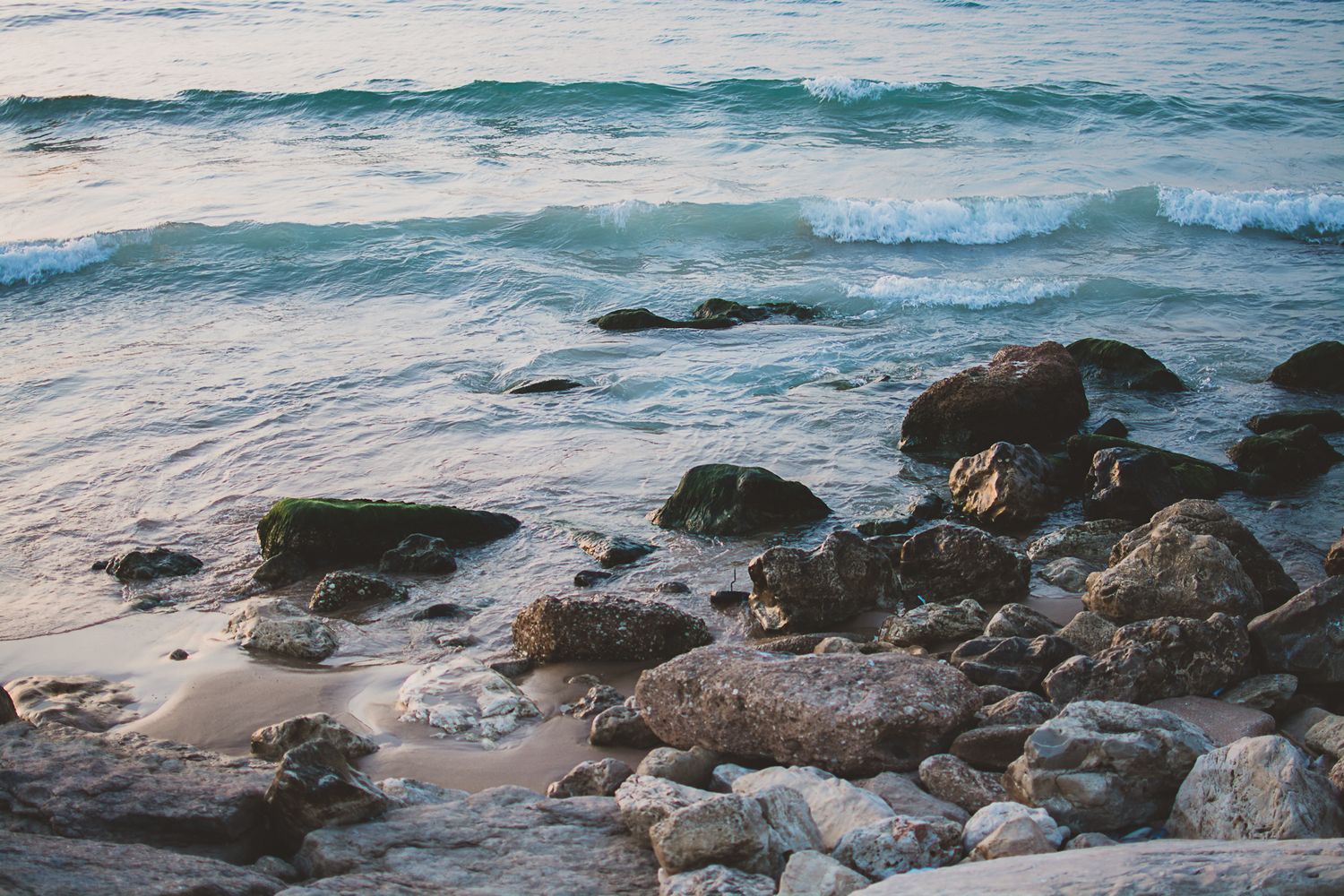
Since the start of the war in September, I resisted the change of the season and the coming of Fall, even though it used to be my favorite season. I kept chasing warmer weather in different countries, only to be faced with the same cold in the end. It is only after surrendering to the darkness within that I have made peace with the cold, that I returned to the natural rhythms of the earth. I keep returning to the pomegranates. I think of Persephone and her journey to the underworld, an invitation to journey through our inner realms, our inner darkness in the Winter. Going back to Lebanon and facing the darkness—both within and without—was not just necessary but was also deeply healing. I needed to grieve. I needed to mourn. And I needed to find hope and to feel the love all around me.
"I am part of the pomegranates and the olives and the figs and the walnuts and the cherries and the mulberries. I am also part of the rivers and the streams and the sea. I am made of the mountains and the valleys."
The Closing of a Circle
I hadn’t visited Lebanon in years. When I set out on my journey and when I began writing this blog, I was travelling in search of a home. There was a part of me that felt lost. For a long time, I felt like I had been uprooted. I had accepted that I would never return to Lebanon. I had severed that connection years ago. For the first time in many years, I feel like I could return, like I could build a life and a future there again, despite everything. It feels ironic to want to live in a place that has just come out of war. And my village in the South is still occupied by the genocidal entity. And yet, I feel so strongly that this is where I will always belong. That no matter where I go in the world, my roots are always in this land.
The nature of this life is cyclical. Birds migrate, and they return. The sun sets, and it returns and rises again. The moon wanes, and it waxes again. The trees shed their leaves only to return back to life. The hajj pilgrimage mimics this circular movement. Pilgrims complete seven circles around the Kaaba. Whoever sets out on a journey will inevitably return. And the outer journey is merely a reflection of an inner, deeper journey. To arrive back home, I had to go through doorways and doorways of transformation, through an inner process of death and resurrection. It is through the grace of al-Mu’idالمعيد (The Restorer, The Renewer) that I have returned. In many ways, I have completed a circle. I came back to where I started my life journey, and I am still processing what this means, what beginning this ending will bring about.
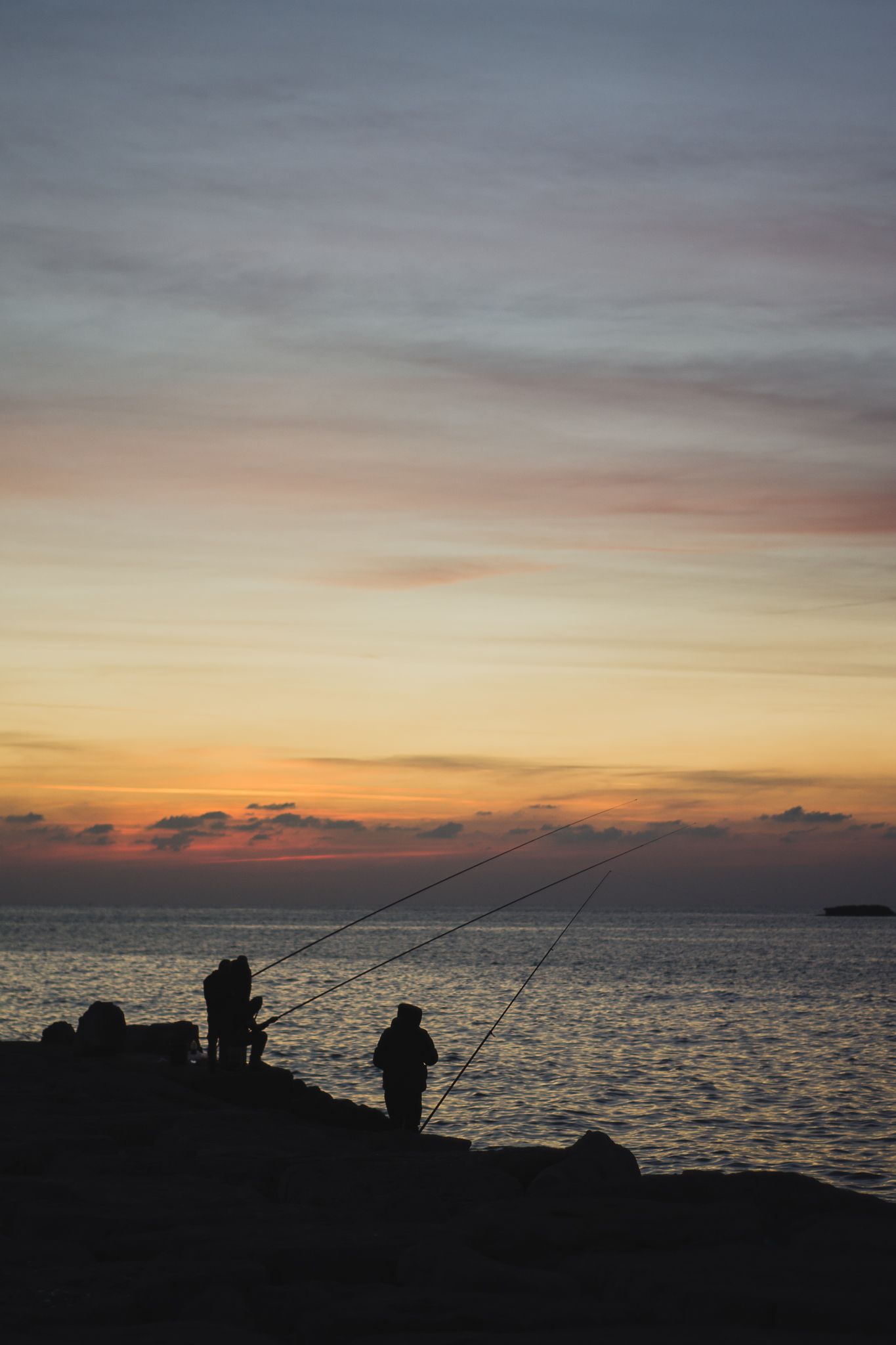
For now, I will be in the company of Persephone in the underworld. Perhaps the greatest wisdom of the pomegranate is the reminder to look inwards, to slow down and be present. And this is where the healing happens.